
Clear payment and refund rules protect your time, your income, and your relationships with students and families. Below are practical, teacher-tested policies you can adopt or adapt so you stop guessing and start teaching with confidence.
Payments: lock in the commitment
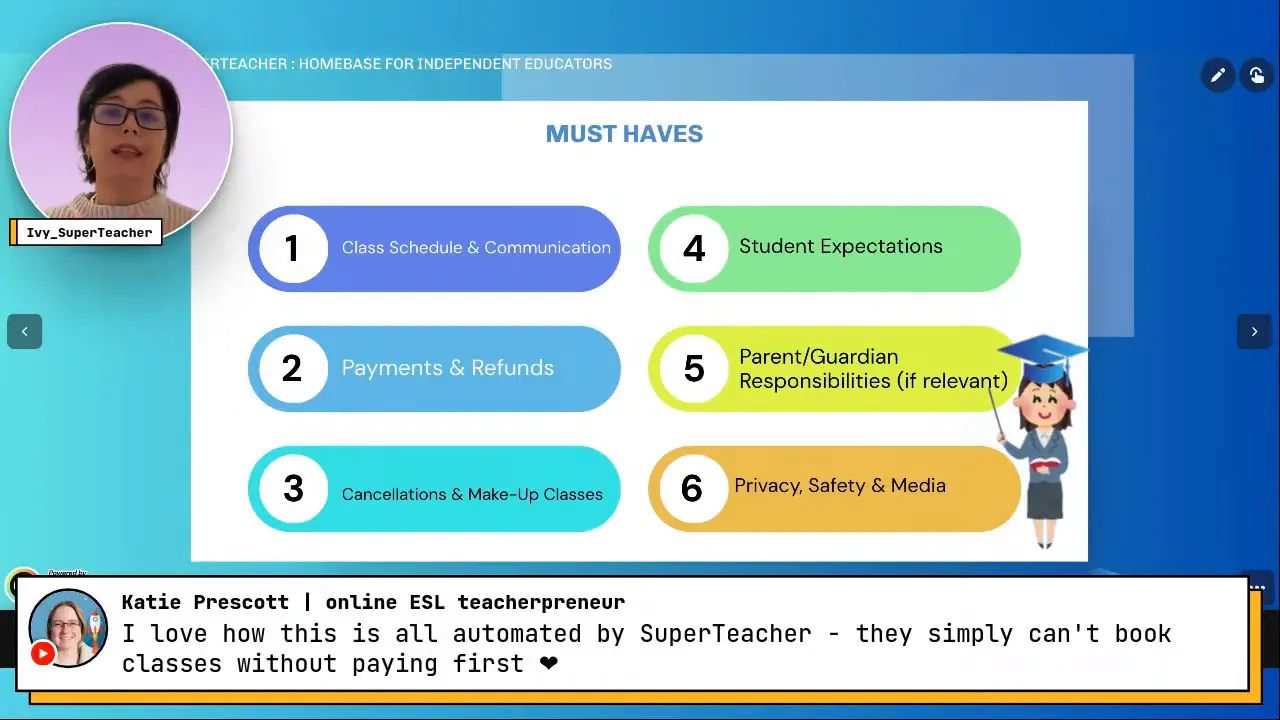
Collect payment in advance. Require payment before a student can join a class or session. That simple step removes awkward follow-ups and late payments.
- Set a payment deadline. Specify when payment is due (for example, before the first session of the month or before each week’s lessons).
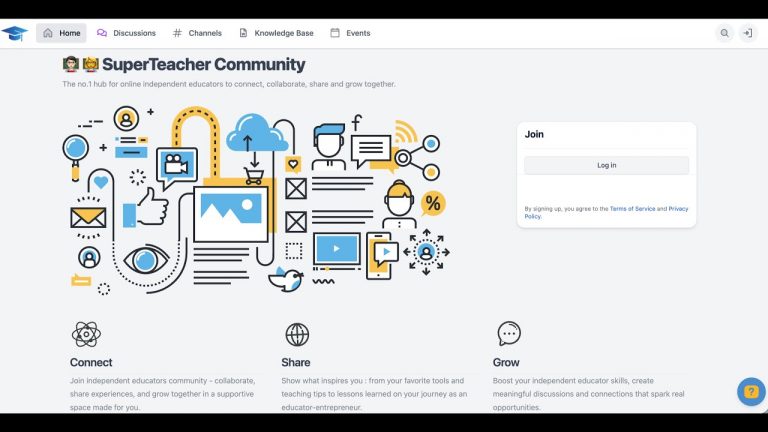
- Use a system that blocks access without payment. Prevents students from joining lessons they haven’t paid for, so you don’t have to chase money later – check out SuperTeacher – the no.1 homebase for independent educators like you!
- Choose the cadence that matches your format. For one-on-one lessons you might require monthly or package prepayment. For rolling group classes, weekly payments can work better.
They simply can’t book classes without paying first.
Refunds: make them simple and fair
Refund policies are where most misunderstandings happen. A clear refund approach prevents 90% of disputes and keeps the relationship positive.
Prefer class credits to cash refunds. Cash refunds can take weeks to process across payment processors and borders. Offering a credit for future classes is faster, fairer, and keeps value with the learner.
Three practical refund options that work well:
- Offer a substitute product or service. If a student can’t complete classes (illness, change of circumstances), give access to resources like worksheets, printable activities, or your resource library as an alternative to a refund. If you are an educator-creator, you will love SuperTeacher’s digital products builder!
- Refund as class credits. Return value to the student immediately as credits they can use later. This keeps accounting simple and avoids long bank processing delays.
- Escalate monetary refunds only when necessary. For double payments or genuine payment errors, offer a full monetary refund but handle it through your payment provider or support team to avoid mistakes. If you use Stripe or a similar provider, the platform can issue the refund directly.
When a class is canceled: make-up classes and timing
How you handle cancellations sets expectations. The best practice is to have a default, simple rule, then offer reasonable flexibility where possible.
- Cancellation notice: State how far in advance students must cancel or reschedule for a refund or credit (for example, 24 hours).
- Make-up classes: Offer a replacement class rather than a refund whenever possible.
- Schedule make-ups quickly. Aim to give the make-up class within the same week if you can. Delaying make-ups to the end of the package often results in lost classes and inconsistent income.
Pro tip : With SuperTeacher you can gift and assign classes and resources with a click of a button – sign up here and give it a go!
Making up a cancelled class promptly keeps rhythm for the student and protects your weekly income. It also reduces confusion about how many classes remain in a package.
Sample policy wording you can copy
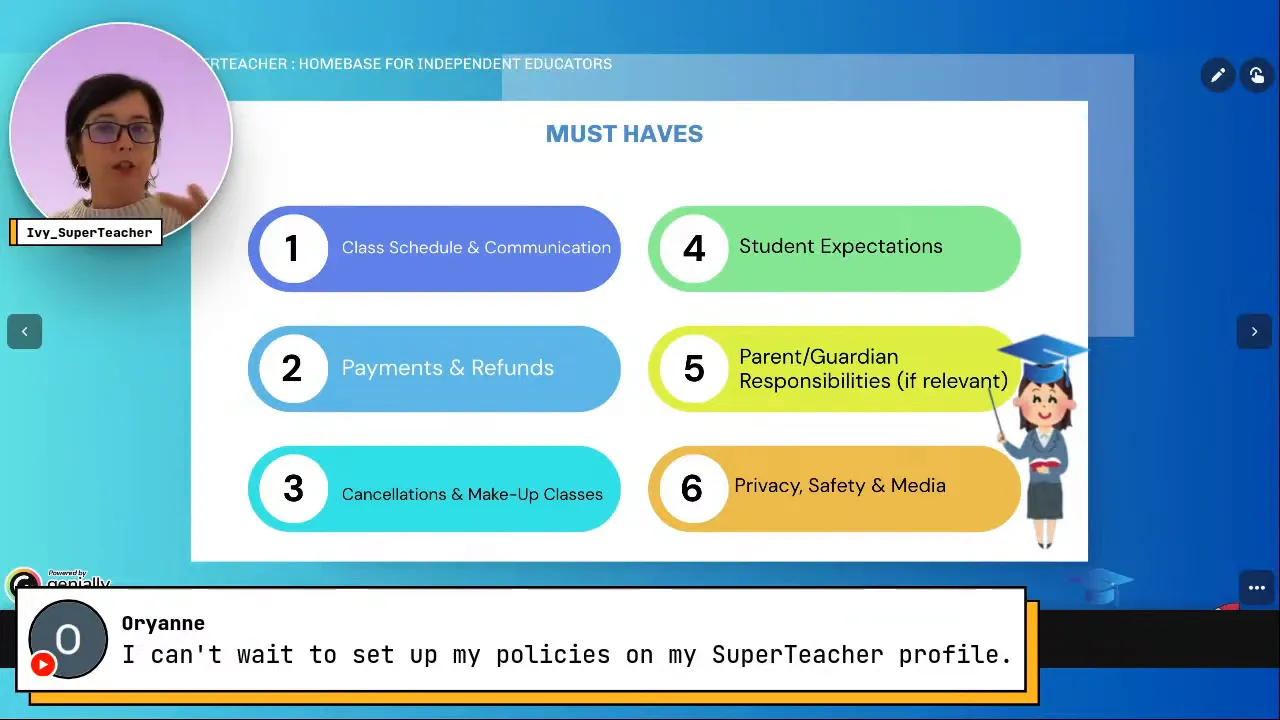
- Payment: Payment is due before the first session of each billing period. Students cannot attend classes without prior payment.
- Refunds: Monetary refunds are processed only in exceptional circumstances. Standard refunds are issued as class credits redeemable for future lessons or learning resources.
- Cancellation and rescheduling: Cancel or reschedule at least 24 hours before class to receive a credit. Missed classes without notice are charged as attended.
- Make-up classes: If a class is cancelled, a make-up lesson will be offered. We aim to schedule make-ups within the same week to maintain continuity.
Final tips
- Be explicit. Put payment, refund, and make-up rules in writing where families see them before booking.
- Keep it fair and simple. Offer options that feel generous but protect your time—credits, resources, and timely make-ups usually hit that balance.
- Automate what you can. Use a booking and payment tool that enforces deadlines and prevents access without payment. This saves hours of admin and reduces conflict.
Clear, concise policies reduce stress for you and your students. Make them visible, keep them consistent, and prefer credit-based solutions when refunds would be slow or complicated. That approach protects your income and strengthens trust.
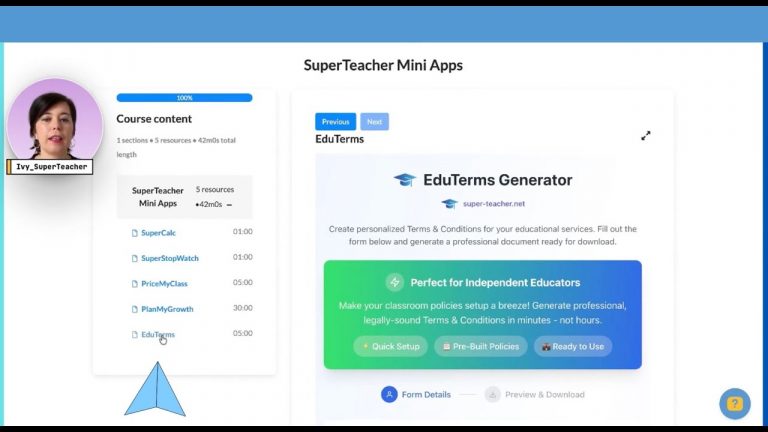
Don’t want to write your T&C from scratch? Check out EduTerms, a mini app custom built just for independent educators. Want free access to more amazing tools? Sign up with SuperTeacher now. ⬇️
Sign up with SuperTeacher |
|
Register for free, pick the right plan later |
| Sign up |